Ramesha Serif Font Brings Elegance to Handmade Products
I remember the exact moment I knew my candle labels needed a change. I had spent hours styling a new soy wax collection with lavender and cedar notes, and every mockup I made felt flat. The font I had been using was clean enough, but it lacked the warmth and character that my handmade brand needed. I wanted something that would whisper elegance without shouting for attention. That is when I found Ramesha, and everything clicked.
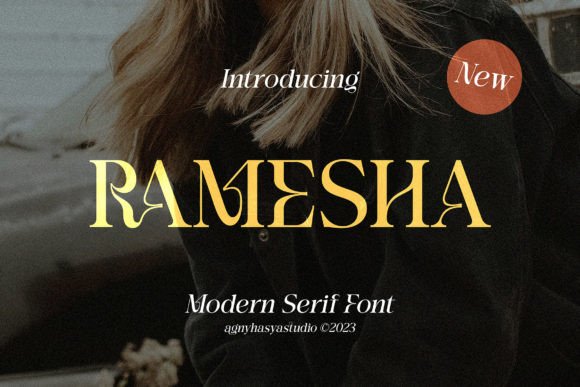
Ramesha is a modern serif typeface that carries a sense of timeless beauty. It is not one of those stiff, formal serifs that feel cold or distant. Instead, it has a soft, refined personality with glyph variations like alternates and ligatures that make every word feel intentional. The moment I dropped it into my label design, the entire product looked like it belonged in a boutique. The letters seemed to breathe, and the curves invited a second look.
A Font That Feels Like It Belongs in Your Hands
When you work with physical products, you learn quickly that the right font can transform a simple tag or sticker into something people want to keep. Ramesha has that effect. Its elegant strokes and gentle contrast between thick and thin lines create a sense of luxury that feels approachable rather than distant. I tested it first on a small batch of candle labels printed on kraft paper, and the result was stunning. The serifs caught the light just enough to give the label depth without overpowering the simple design.
For handmade sellers, this kind of visual personality is invaluable. Your products often compete on a shelf or a screen filled with similar items, and the typography is one of the first things a customer notices. Ramesha communicates care and attention to detail. It tells your customer that you chose something beautiful for them. That emotional connection is what turns a casual browser into a loyal buyer.
Using Ramesha Across Product Lines
One of the reasons I keep returning to Ramesha is how well it adapts to different product types. I have used it for greeting cards, wedding invitation suites, printable wall art, planner pages, boutique tags, and even a small run of tote bags. Each time, the font adjusts its personality to fit the project while maintaining that signature elegance.
For wedding stationery, Ramesha brings a romantic, editorial feel that pairs beautifully with floral motifs and wax seals. I designed a set of invitation mockups with blush envelopes and gold foil accents, and the font sat perfectly with the overall mood. The alternates allowed me to give each guest name a slightly different look, which added a handmade touch that couples loved.
For seasonal products like holiday gift tags and Christmas card sets, Ramesha shines in a more understated way. I used it on a set of printable tags with boughs of greenery and berries, and the font held its own without competing with the illustrations. The ligatures created natural connections between letters that made the text feel like part of the design rather than an afterthought.
Pairing Ramesha with Other Fonts
No font works in isolation, and Ramesha is a generous partner in any design. I have found that it pairs beautifully with clean sans serif fonts for a balanced, modern look. For product labels, I often use a simple sans serif for ingredient lists or fine print, then let Ramesha handle the product name and key details. The contrast is satisfying to the eye and helps guide the customer through the information naturally.
For more romantic or whimsical projects, pairing Ramesha with a light handwritten font creates a lovely tension between structure and spontaneity. I designed a set of bridal shower printables using this combination, and the result felt both polished and personal. A simple script for the main headline and Ramesha for the details gave the suite a layered, thoughtful appearance.
If you prefer a more editorial or classic approach, pairing Ramesha with a simple serif font works well. The key is to keep the supporting font subtle so Ramesha remains the star. I have used this pairing for product packaging where I wanted the brand name to feel established and trustworthy, while the secondary text stayed readable and calm.
Practical Advice for Cutting Machines and Small Prints
If you use a cutting machine like Cricut or Silhouette, you will be happy to know that Ramesha works well for physical projects when you take a few precautions. For small stickers and labels, I recommend testing the font size before committing to a full run. The delicate serifs and thin strokes are beautiful at larger sizes, but they can become less legible when scaled down too much. I usually keep Ramesha for titles, names, and short phrases on smaller items and use a simpler font for body text.
For printed cards and tags, the font holds up beautifully on matte and textured paper. I have printed it on kraft, linen, and smooth white cardstock, and each surface brought out a different aspect of its charm. The ligatures and alternates remain clear even at moderate sizes, which is a relief when you are cutting dozens of tags for a market.
When preparing mockups for listing images or digital previews, Ramesha renders well on screen and in print. I always check that the spacing and kerning look balanced before finalizing a design. The font has a natural rhythm, but taking a moment to adjust letter spacing for specific words can make a significant difference in the final product.
Licensing and Commercial Use
Before you start using Ramesha for your shop, it is important to review the included styles and the commercial license. The font comes with alternates, ligatures, and multiple weights, which gives you plenty of creative freedom. I always check whether my intended use is covered, especially when I am creating printables, digital templates, or merchandise for sale. If you are selling physical products like mugs, shirts, or tote bags with Ramesha text, make sure your license includes commercial use for those formats.
The same applies to digital downloads. If you plan to sell printable wall art, planner pages, or invitation templates that include the font, your license should allow for that. I keep a folder with all my font licenses so I can reference them quickly when starting a new project. It is a small habit that saves stress later.
Ramesha also includes multilingual support, which is a wonderful feature if your customers speak different languages or if you want to create products for a broader audience. I designed a set of bilingual welcome signs for a friend's wedding, and the accents and special characters rendered beautifully. That kind of flexibility makes the font a smart investment for any growing shop.
Bringing Your Brand Identity to Life
Over time, I have noticed that using Ramesha consistently across my products has helped establish a recognizable brand identity. Customers who see my candle labels, tags, and packaging begin to associate that elegant serif style with quality and care. The font becomes a visual signature that sets your shop apart from others using generic typography.
For product photography and social media graphics, Ramesha works just as well on screen as it does in print. I use it for Instagram posts that feature new products, and the font helps the images feel cohesive and curated. The alternates give me options for highlighting different words, and the ligatures add a touch of refinement that catches the eye.
I have also used Ramesha for downloadable templates that customers can personalize at home. The font is intuitive enough that even someone with basic design skills can create something beautiful. That ease of use makes it a favorite for printable creators who want to offer high-quality design assets without overwhelming their customers.
Final Thoughts from a Maker
Choosing a font for your handmade products is a deeply personal decision. It is the voice of your brand, the texture of your story, and the first thing many customers notice. Ramesha has become a staple in my design toolkit because it delivers elegance without effort and pairs well with so many styles. Whether you are designing candle labels, wedding invitations, boutique tags, or seasonal printables, this serif font brings a warmth and sophistication that elevates everything it touches.
If you are ready to give your products a refined, memorable look, I encourage you to try Ramesha on your next project. Start with a simple label or a mockup for a greeting card, and see how the alternates and ligatures transform your words into something special. That is exactly how I began, and I have not looked back since.